
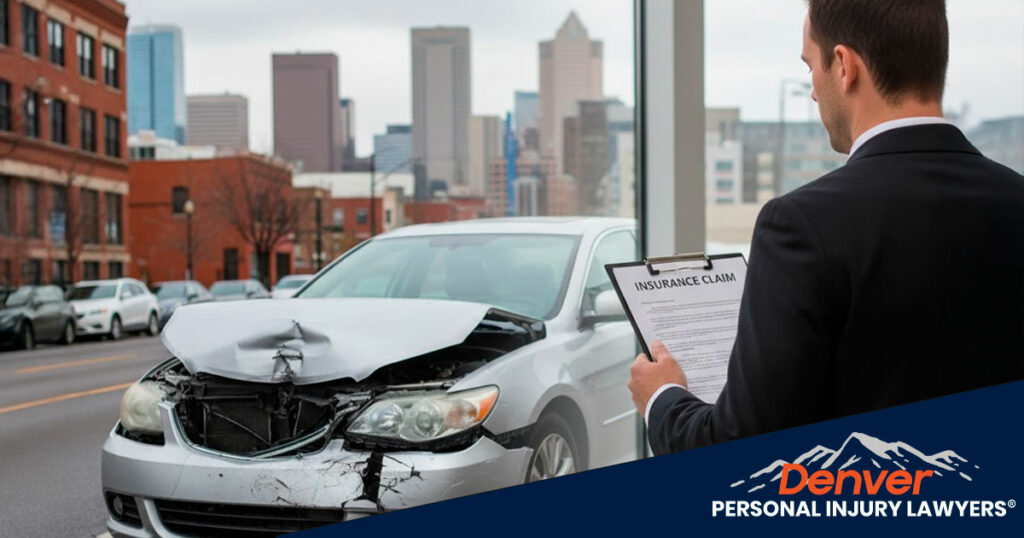
Can insurance companies force you to repair your vehicle? After a Denver car accident, many vehicle owners are unsure about their rights and options. The answer depends on your insurance coverage for vehicle repairs, whether you fully own your car, and Colorado state laws.
Knowing your rights protects you from unnecessary pressure and helps you make informed decisions. While insurers influence repair processes and payouts, they cannot arbitrarily dictate your choices. Your policy, loan agreements, and state regulations define what they can and cannot require.
Working with an experienced Denver car accident attorney ensures you fully understand your insurance coverage for vehicle repairs and can make the best decisions for your situation.
Table of Contents
ToggleInsurance Company Decisions on Vehicle Repairs or Total Loss Claims
Insurance companies follow specific criteria when deciding whether to repair your vehicle or declare it a total loss. The primary calculation compares estimated repair costs against your vehicle’s pre-accident fair market value. When repair expenses exceed this value, insurers typically declare the car totaled.
Key factors influencing the total loss decision include:
- Current market value based on year, make, model, and mileage.
- Condition of the vehicle before the accident.
- Cost of replacement parts and labor.
- Structural damage severity.
- Safety concerns related to frame or mechanical systems.
Colorado law doesn’t mandate a specific percentage threshold for total loss claims, giving insurance companies discretion in their assessments. The vehicle value calculation considers comparable sales in your area, accounting for mileage, condition, and any improvements you made to the car.
If your car is declared a total loss, you receive the estimated market value minus your deductible. The insurance company then takes ownership and handles the vehicle’s sale or scrapping. You retain the option to counteroffer if you believe their valuation underestimates your car’s worth. Or you can purchase the vehicle back at salvage value.
Dealing with Insurance Companies After a Denver Car Accident
Reading your insurance policy determines your actual rights when filing a Colorado car accident claim. Your contract, not verbal assurances or initial estimates, defines your legal obligations and options. Policy language affects how you can use your claim. Some policies require you to repair your vehicle at specific shops or within set timeframes, while others give you more flexibility with settlement funds. This distinction matters if you disagree with your insurer’s recommended repair shop or timeline.
State law provides additional protections beyond your policy terms. Colorado regulations prevent certain unfair claim practices, giving you leverage when insurers attempt to impose unreasonable restrictions. You possess the right to:
- Select your own repair facility unless your policy specifically restricts this choice.
- Obtain independent damage assessments before accepting settlement offers.
- Challenge lowball valuations with supporting documentation.
- Request detailed explanations of how settlement amounts were calculated.
Loan and lease agreements add complexity. When you don’t own your vehicle outright, the lienholder’s name appears on settlement checks. This requirement protects their financial interest but doesn’t eliminate your right to participate in repair decisions or dispute inadequate offers.
What To Do If You Disagree with Your Insurer’s Repair or Total Loss Decision?
Disagreeing with your insurance company’s assessment doesn’t mean accepting their decision without question. You have specific options to challenge their determination about whether to repair your vehicle or declare it a total loss.
- Request an independent appraisal: Reach out to a qualified professional who can provide an unbiased assessment of your vehicle’s condition and repair costs.
- Obtain multiple repair estimates: Contact reputable auto body shops in your area and request quotes for the repairs needed. These competing quotes will demonstrate the actual market cost for repairs.
- Submit a counteroffer: If you believe the insurer’s payout undervalues your vehicle, present documentation supporting your position, including comparable vehicle sales data and recent maintenance records.
- Document everything: Keep detailed records of all communications, estimates, and appraisals. This paper trail becomes essential if you need to escalate your dispute or seek legal intervention.
An experienced Denver car accident attorney can guide you through the process, help protect your rights, and ensure you get the insurance coverage you deserve for vehicle repairs.
Fault Determination and Liability Coverage on Vehicle Repair Claims in Colorado
Colorado follows an at-fault state system, where the driver responsible for causing the accident is financially liable for all damages. This decision affects which insurance company pays for your vehicle repairs and the extent of coverage available to you.
If You’re Not At Fault
When you are not at fault in a car accident, the other driver’s liability insurance must cover your property damage claims. Colorado law requires all drivers to carry minimum liability coverage of $15,000 for property damage. The at-fault driver’s insurance company becomes responsible for paying repair costs or the fair market value if your vehicle is totaled.
If You’re At Fault
If you caused the accident, your own collision coverage (if you purchased it) handles your vehicle repairs. You’ll pay your deductible, and your insurer covers the remaining costs up to your policy limits.
The challenge arises when the at-fault driver carries minimal insurance. Their $15,000 property damage coverage may not fully cover expensive repairs or replacement costs. In these situations, you face three options:
- File a claim under your own collision coverage.
- Pursue the at-fault driver personally for the difference.
- Accept the limited payout from their insurance.
Using your own insurance typically accelerates the claims process compared to dealing with the at-fault driver’s carrier, particularly with companies known for slow processing. You’ll initially pay your deductible, but your insurer will seek reimbursement from the at-fault party through subrogation.
Financial Considerations When Deciding on Vehicle Repairs After an Accident in Colorado
When you use your own insurance to repair your vehicle, you’ll typically pay your deductible upfront to the repair shop. This out-of-pocket expense can range from $250 to $1,000 or more, depending on your policy terms. The deductible reimbursement process becomes relevant when you’re not at fault for the accident.
Your insurance company will pursue subrogation against the at-fault driver’s insurer to recover the costs they paid for your repairs, including your deductible. Once your insurer successfully recovers these funds, they’ll reimburse your deductible directly to you. This process can take several weeks to several months, depending on how quickly the at-fault party’s insurance accepts liability.
Filing through your own insurance provides faster access to repair funds compared to waiting for the at-fault driver’s carrier to process your claim. This speed advantage often outweighs the temporary inconvenience of paying your deductible, particularly when dealing with slow-responding insurers.
Choosing the Right Denver Vehicle Repair Facility
Your insurance company cannot force you to use a specific auto body shop. You have the legal right to choose where your vehicle gets repaired. Even if your policy lists preferred facilities, you can still select a shop that meets your standards and protects your interests.
When evaluating potential repair shops, look for:
- Certifications from manufacturers or industry organizations.
- Written warranties on repair work.
- Experience negotiating with insurance adjusters.
- Detailed estimates that match or exceed insurance assessments.
- Proper licensing and insurance coverage.
Request multiple estimates to compare costs and identify hidden damage. Check online reviews and ask for references. A reputable shop will communicate directly with your insurance company, handle paperwork efficiently, and ensure proper repairs that protect your vehicle’s safety and value.
A Denver Accident Lawyer Helps You Navigate Vehicle Repairs
When issues with insurance repairs come up after a car accident, consulting a lawyer can provide you with immediate clarity about your rights under the policy. A Denver car accident attorney will carefully examine the language of your insurance contract to determine whether the company has the legal authority to dictate specific repair shops or timelines. This legal analysis serves as a safeguard against accepting settlement offers that may not be in your best interest.
Furthermore, an experienced lawyer negotiates with insurance adjusters who try to downplay payouts or impose unreasonable conditions on repairs. Having legal representation helps level the playing field when insurers use complex policy language to their advantage. Your attorney will fight to ensure that you receive full compensation for any damage to your vehicle while also protecting your right to choose how and where those repairs are done.
In cases where repair disputes overlap with injury claims from the same accident, a Denver car accident lawyer will step in to address these issues as well. This comprehensive approach prevents insurance companies from using negotiations about vehicle damage as a way to decrease the overall value of your settlement.
FAQs (Frequently Asked Questions)
Can insurance companies force me to repair my vehicle after an accident in Colorado?
Insurance companies cannot arbitrarily force you to repair your vehicle unless there is a contractual basis, such as loan or lease agreements. While insurers influence payouts and may require certain conditions, understanding your rights and reviewing your policy terms is crucial.
How do insurance companies decide whether to repair my car or declare it a total loss?
Insurance companies assess factors like the cost of repairs versus the fair market value of your vehicle. If repair costs exceed a certain percentage of the vehicle’s value, they may declare it a total loss.
What should I do if I disagree with my insurer’s decision on repairing or totaling my vehicle?
If you disagree with your insurer, you can request an independent appraisal, get multiple repair estimates, or negotiate a counteroffer. A Denver car accident attorney can help protect your rights throughout the process.
How does fault determination affect vehicle repair claims in Colorado?
Fault determination influences who is responsible for paying property damage and repairs under Colorado law. If you are not at fault, the at-fault party’s insurance typically covers your repair costs.
What financial considerations should I keep in mind when deciding on vehicle repairs after an accident?
Consider deductibles and how reimbursement works if you are not at fault. Reviewing your insurance policy’s fine print regarding claim benefits and deductible reimbursement processes ensures you understand potential out-of-pocket expenses before proceeding with repairs.
Protect Your Rights and Control Your Denver Vehicle Repairs
Can your insurance company force you to repair your vehicle? It depends on your circumstances. Insurers can influence payout amounts and may set conditions when loan or lease agreements exist, but they cannot arbitrarily require repairs without contractual authority.
Protect yourself by understanding your policy and knowing your obligations. If your vehicle is financed or leased, remember lenders have legitimate interests, but you still have options. Don’t let insurer pressure limit your choices. Contact us at Denver Personal Injury Lawyers® for expert guidance and a free consultation. Let us help you protect your rights and make informed decisions about your vehicle repairs.
