
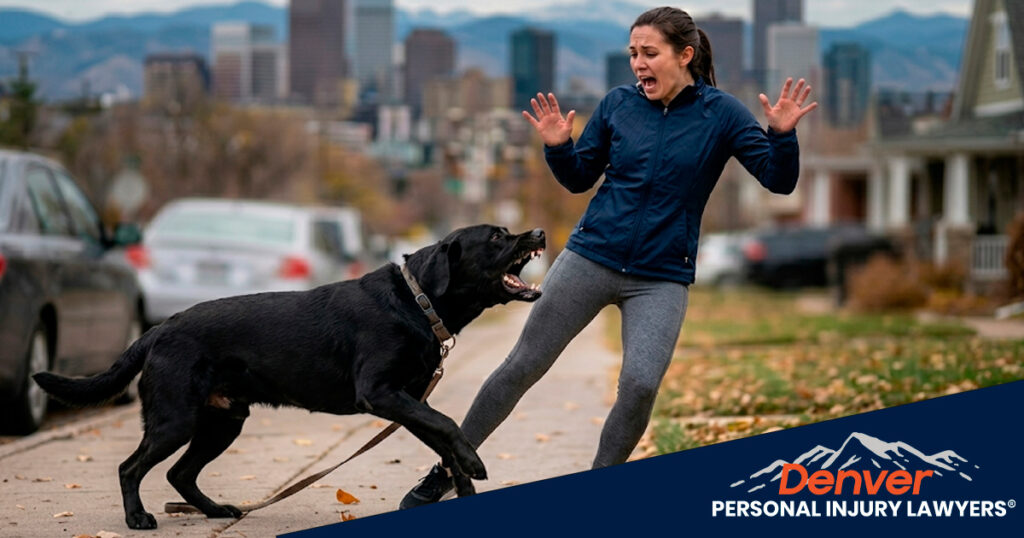
After a dog attack, many people ask the same question: Does the breed matter in a Colorado dog bite claim? Certain breeds often receive more attention after serious incidents, so it is easy to assume the dog’s breed determines who is responsible. Media coverage, neighborhood conversations, and social media often reinforce that belief. Some victims think a “dangerous” breed automatically strengthens their claim, while others worry that a bite from a “friendly” breed will make recovering compensation more difficult.
In most situations, Colorado law does not work that way. Instead, a Colorado dog bite claim usually depends on what happened, where the attack occurred, and the severity of the injuries. Breed labels rarely determine liability. The facts and evidence surrounding the attack carry far more weight than assumptions about the dog’s breed.
Table of Contents
ToggleColorado Dog Bite Law Basics For A Colorado Dog Bite Claim
Colorado Revised Statute 13-21-124 is Colorado’s primary dog bite law. It establishes strict liability, meaning a dog’s owner may be responsible for damages even if the dog has never bitten anyone before and the owner had no prior knowledge that the dog was dangerous. However, strict liability generally applies only when:
- The bite causes serious bodily injury, and
- The victim was lawfully in a public place or lawfully on private property.
“Serious bodily injury” can include a substantial risk of death, permanent disfigurement, or broken bones. Because these injuries change cases, medical documentation matters early in a Colorado dog bite claim.
Negligence, A Second Path To Recovery
Even when strict liability does not apply, negligence may still apply. Negligence focuses on careless conduct. For example, the owner may have:
- Violated a leash rule
- Failed to control the dog
- Let the dog roam
- Ignored known risks
An experienced Colorado dog bite attorney can evaluate the facts, determine which legal theories may apply, and identify all available insurance coverage to help maximize your potential recovery.
Does Breed Actually Affect Liability In A Colorado Dog Bite Claim?
Breed does not change Colorado’s strict liability rules. The statute does not create special liability based on breed alone.
Instead, these factors usually matter more:
- Location of the bite
- Whether you had permission to be there
- Whether the owner had control of the dog
- The severity of the injury
That said, breed can still appear in a case in two common ways.
Breed Can Come Up In Negligence Arguments
Negligence often involves foreseeability. In other words, should the owner have taken extra steps? Insurers sometimes argue about whether the owner should have expected a risk. They may try to use breed as part of that argument.
Still, breed alone should not replace real evidence. The dog’s prior behavior, complaints, and handling usually matter more.
Breed Can Influence Settlement Conversations
Insurance adjusters sometimes try to use breed stereotypes to shape value. They may downplay injuries if the dog looks “harmless.” Or they may push blame onto the victim if the dog looks “scary.”
You should not accept that framing. A Golden Retriever can cause a life-changing injury, while many pit bull-type dogs never bite anyone. Instead of focusing on the dog’s breed, focus on the facts of the attack and the evidence supporting your Colorado dog bite claim. An experienced Colorado dog bite lawyer can investigate the incident, preserve critical evidence, and build the strongest possible case for the compensation you deserve.
What Evidence Matters More Than Breed In A Colorado Dog Bite Claim
If you want to move a Colorado dog bite claim forward, build an evidence stack. Strong evidence answers the questions insurers ask first.
Medical Records And Photos
Get treatment fast. Then document everything.
Medical records and photos can show:
- Depth of the wound
- Infection risk
- Nerve damage concerns
- Scarring and disfigurement
- Follow-up care and referrals
Also, keep photos over time. Scars change. So, ongoing documentation often helps a Colorado dog bite claim.
Vaccination Records, Licensing, And Prior Complaints
Ask for rabies vaccination information. Also, note whether the dog is licensed.
Prior complaints can matter, too. They may show the owner ignored risks. In addition, they can support negligence arguments.
Animal Control And Police Reports
Report the bite. Then request the report later.
Animal control and police reports often document:
- Where the bite happened
- Whether a leash law applied
- Witness names and contact details
- The dog’s description
- Quarantine instructions
This record can add credibility to a Colorado dog bite claim, especially if facts get disputed later.
Property Context And Lawful Presence
Colorado law cares about where the incident occurred. So, document the setting.
For example:
- Sidewalk or public trail
- Shared apartment hallway
- Friend’s backyard
- Delivery route or jobsite
- Inside the owner’s home
Also, write down why you were there. Lawful presence often becomes a key issue in a Colorado dog bite claim.
When Special Rules May Affect A Colorado Dog Bite Claim
Colorado’s dog bite law covers many situations, but some cases involve special rules that can affect how a claim is evaluated. Even then, the specific facts surrounding the attack remain important, and these circumstances do not automatically prevent you from recovering compensation.
Special situations may include:
- Police or military dogs: Colorado law includes special rules for police or military dogs performing official duties. In those situations, strict liability may not apply. However, obtain the incident report, confirm the dog’s status, and document what led to the bite. Depending on the circumstances, you may still have legal options.
- Trespassing or unlawful entry: If you were trespassing or unlawfully on private property, strict liability may not apply. However, disputes can arise over property boundaries, gates, warning signs, or whether you had permission to be there. Preserve evidence showing where you entered and why.
- Service dogs: A service dog’s status does not automatically shield its owner from liability. The same legal questions generally apply, including where the bite occurred, whether you were lawfully present, and the circumstances surrounding the attack. Report the incident, seek medical treatment, and preserve evidence just as you would after any other Colorado dog bite claim.
If your case involves one of these special situations, an experienced Colorado dog bite lawyer can determine how Colorado law applies, protect important evidence, and help you pursue the compensation you may be entitled to.
What To Do Right After A Dog Bite In Colorado
Fast action protects your health and your claim. It also prevents gaps in the record.
- Get medical care immediately: Dog bites can cause infection, tendon damage, and nerve injuries. Even small puncture wounds can worsen over time.
- Report the attack: Contact animal control or your local health department to create an official record.
- Collect the owner’s information: Get the owner’s name, phone number, address, and insurance information, if available.
- Document the dog: Record the dog’s breed, size, color, and any other identifying features.
- Ask for rabies vaccination records: Request proof of current vaccination, if possible.
- Take photographs: Capture your injuries, torn clothing, the location of the attack, and the dog if it can be done safely.
- Keep a recovery journal: Document your pain, medical treatment, anxiety, missed work, and how your injuries affect your daily life.
These steps can strengthen a Colorado dog bite claim by preserving evidence and reducing later disputes. They can also help support compensation for medical expenses, lost income, pain and suffering, scarring, and other losses related to the attack. Because pain and suffering can make up a significant portion of a dog bite claim, an experienced Colorado dog bite lawyer can gather the evidence needed to demonstrate the full impact of your injuries and identify all available insurance coverage to pursue the maximum compensation available.
Do not wait to take action. In many Colorado dog bite cases, you generally have two years from the date of the attack to file a lawsuit, although some claims may involve different deadlines. Acting promptly can help preserve important evidence and protect your right to recover compensation.
FAQs (Frequently Asked Questions)
Does the breed of a dog determine liability in a Colorado dog bite claim?
No, breed labels usually do not decide liability in a Colorado dog bite claim. Colorado law focuses on what happened, where it happened, and how serious the injury is rather than the dog’s breed.
What is strict liability under Colorado Revised Statute 13-21-124 regarding dog bites?
Strict liability means a dog’s owner can owe damages even if the dog never bit before and without proving the owner knew the dog was dangerous. It generally applies when the bite causes serious bodily injury and the victim was lawfully in a public place or on private property.
Can negligence be a basis for recovery in a Colorado dog bite claim?
Yes, negligence may apply if strict liability does not. This includes situations where the owner violated leash rules, failed to control the dog, let it roam, or ignored known risks, demonstrating careless conduct.
What types of evidence are important to support a Colorado dog bite claim beyond breed considerations?
Important evidence includes medical records and photos documenting injury severity, vaccination and licensing records, prior complaints about the dog, animal control and police reports detailing the incident, and documentation of the property context and lawful presence at the bite location.
Are there any exceptions to strict liability for dog bites under Colorado law?
Yes, special rules exist for police or military dogs performing official duties where strict liability may not apply. Dog owners and insurers may also raise other defenses depending on case specifics.
The Right Evidence Matters More Than the Dog’s Breed
A dog bite can leave you with painful injuries, permanent scarring, emotional trauma, and financial stress. Unfortunately, insurance companies may dispute liability, question the severity of your injuries, or pressure you to accept a settlement that falls short of what you truly deserve.
You have already been through enough. Your focus should be on healing, not the stress of navigating a complicated claims process or worrying about whether the insurance company will treat you fairly.
If you or a loved one suffered injuries in a Colorado dog attack, do not let the insurance company decide what your claim is worth. Get in touch with us today for a free consultation and learn how an experienced Colorado dog bite attorney can help protect your rights and pursue the full compensation you deserve.
