
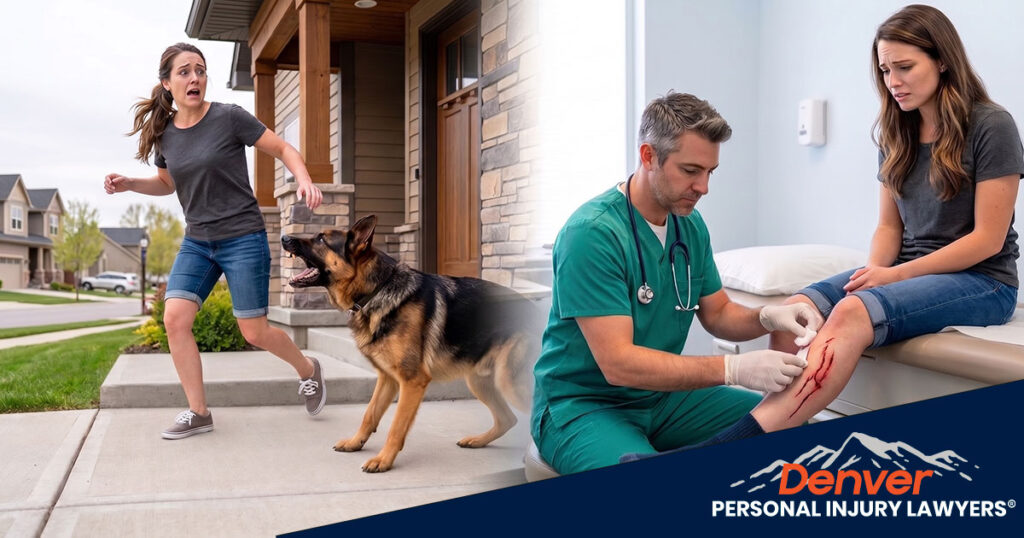
A dog bite in Denver can cause serious injuries, unexpected medical bills, and lasting emotional stress. If the dog owner has homeowners insurance, the policy may provide compensation for many of these losses.
Getting a dog bite homeowners insurance claim paid can still be difficult. The insurance company may question liability, the severity of your injuries, or the value of your damages. A Denver dog bite lawyer can gather evidence, document your losses, handle the insurance company, and pursue the compensation available under the policy.
Table of Contents
ToggleWhat It Takes To Get a Dog Bite Homeowners Insurance Claim Paid
Getting a dog bite homeowners insurance claim paid often requires more than submitting medical bills. The insurance company may dispute liability, question the extent of your injuries, or argue that the policy does not cover the claim.
A Denver dog bite lawyer can take over the insurance process and build the evidence needed to support payment. That may include:
- Identifying the correct homeowners insurance policy
- Proving the dog caused the injury
- Gathering medical records, bills, photos, and witness statements
- Documenting lost income and other damages
- Handling communication with the insurance adjuster
- Preparing and negotiating a supported settlement demand
Getting legal help early can also prevent mistakes that give the insurer a reason to delay, undervalue, or deny the claim.
How Homeowners Insurance Covers Dog Bites In Colorado
Homeowners insurance often pays dog bite claims through personal liability coverage. This coverage can apply when a homeowner’s dog injures another person and the policy covers the incident.
Many homeowners insurance policies use standard forms such as HO-3 or HO-5 policies. These policies generally include personal liability coverage, but the amount available depends on the specific policy, its limits, and any exclusions or dog-related restrictions.
A bite can happen:
- On the property, such as in a yard, on a porch, or inside the home.
- Off the property, such as on a walk, at a park, or on a sidewalk.
The bite does not always have to happen at the insured home for homeowners liability coverage to apply. In some cases, the coverage follows the insured homeowner and may still cover an off-property dog bite.
A Denver personal injury lawyer with experience in dog bites and attacks can review the policy, identify the correct insurance carrier, and determine whether the dog bite falls within the available coverage. That can be especially important when the insurer disputes where the bite happened, who controlled the dog, or whether an exclusion applies.
Coverage Limits Matter
One important question in a dog bite homeowners insurance claim is how much coverage is available. Many homeowners policies provide $100,000 to $300,000 in liability coverage. Some homeowners also carry umbrella coverage of $1 million or more.
Identifying all available policies can make a major difference in a serious dog bite claim.
Homeowners Versus Renters Coverage
Renters may also have liability coverage through an HO-4 renters policy. Depending on the policy, it may cover a dog bite even if it happens away from the rental property.
Condo owners often carry HO-6 policies with personal liability coverage. A condo association may also have separate coverage for incidents in common areas. In some cases, more than one policy may apply to a dog bite homeowners insurance claim.
Common Policy Exclusions That Can Block Payment
Exclusions can affect coverage, but the actual policy language controls.
Common issues may include:
- Breed restrictions involving certain breeds or breed types.
- Prior bite history or claims involving the dog.
- Dog-specific exclusions added to the policy.
A Denver dog bite lawyer can review the policy and determine whether an exclusion actually applies to the dog bite claim.
Colorado Dog Bite Law And Why It Matters For Your Claim
Colorado law can help many dog bite victims. Under C.R.S. § 13-21-124, a dog owner may be strictly liable when a bite causes bodily injury or even death, even if the owner had no reason to believe the dog was dangerous.
In these cases, victims generally do not need to prove the dog had shown prior vicious behavior. However, the statute has limits and specific exceptions.
Insurers may argue that:
- You were trespassing.
- You knowingly provoked the dog.
- Another statutory exception applies.
A Denver dog bite injury lawyer can review the facts, determine whether strict liability applies, and address defenses that could affect your dog bite homeowners insurance claim.
Who Can Be Responsible Besides The Dog Owner
Sometimes, more than one person or company shares responsibility. Therefore, more than one policy may apply.
Possible additional responsible parties include:
- Landlords, if they had knowledge of a dangerous dog and control of the premises.
- Property managers, if they controlled rules, notices, or enforcement.
- Business owners, if the bite happened at a store, patio, or event space and they allowed the dog.
Also, a landlord may have commercial coverage. Meanwhile, a business may have general liability coverage. Therefore, you should identify every potential policy early.
Steps to Strengthen a Dog Bite Homeowners Insurance Claim
First, prioritize your health and safety. Then begin documenting the claim. These steps can help strengthen a dog bite homeowners insurance claim:
- Get medical care promptly: Dog bites can cause infection, nerve damage, scarring, and deeper injuries that are not always obvious right away.
- Photograph your injuries: Take clear photos immediately and continue documenting swelling, bruising, wounds, scarring, and healing over time.
- Report the bite: Contact the appropriate animal control agency and keep the report number and responding officer’s information.
- Collect dog and owner information: Get the owner’s name, address, contact information, insurance carrier, policy details if available, and vaccination records.
- Preserve evidence: Keep damaged clothing and personal items, save medical records and bills, and collect witness names and contact information.
The sooner a Denver dog bite lawyer can investigate the attack and insurance coverage, the easier it may be to address disputes before important evidence disappears.
What You Can Claim In A Dog Bite Homeowners Insurance Claim
The value of a dog bite homeowners insurance claim depends on the injuries, treatment, financial losses, and available coverage. Dog attacks can also be frightening and traumatic, especially when they involve children, facial injuries, or a sudden attack by a large dog. Important damages may include:
- Medical expenses: This can include emergency care, doctor visits, stitches, antibiotics, imaging, infection treatment, scar care, and future medical treatment.
- Lost income: If the injury keeps you from working, you may be able to claim lost wages and other employment-related losses.
- Emotional distress: Dog attacks can lead to anxiety, nightmares, sleep problems, fear of dogs, and other lasting emotional effects. Counseling or therapy records may help document these losses.
- Scarring and disfigurement: Visible scars, especially on the face or other exposed areas, can significantly affect the value of a claim.
- Property damage: Torn clothing, broken glasses, damaged phones, and other personal property may also be included.
A Denver dog bite lawyer can help identify all available damages, document the physical and emotional impact of the attack, and make sure the insurance company does not overlook future or less obvious losses.
When an Insurer Undervalues or Denies a Dog Bite Claim
Insurance companies may try to resolve dog bite claims quickly and for less than their full value. An adjuster may delay the claim, make a low initial offer, request the same documents repeatedly, or ask for a recorded statement that could later be used against you.
The insurer may also dispute dog bite liability, argue that you provoked the dog, minimize scarring or emotional trauma, or blame your symptoms on a prior condition. In some cases, the company may deny the claim altogether based on:
- Policy exclusions
- Alleged provocation
- Trespassing
- Late notice
- Disputed ownership or residency
- Questions about whether the dog was covered
A denial does not always mean the claim is over. The denial letter and full policy should be reviewed carefully, including any endorsements and exclusions.
A dog bite lawyer can compare the insurer’s position with the actual policy language and facts. Legal representation can also make it easier to spot unsupported coverage arguments, missing evidence, or attempts to undervalue a dog bite homeowners insurance claim.
FAQs (Frequently Asked Questions)
What are the key steps to get a dog bite homeowners insurance claim paid in Colorado?
To get a dog bite homeowners insurance claim paid, you need to act promptly by seeking medical care immediately, gather solid proof such as photos and medical records, and make a clear request for payment with documented expenses. Reporting the bite quickly and maintaining consistent documentation strengthens your claim.
How does homeowners insurance typically cover dog bites in Colorado?
Homeowners insurance usually covers dog bites through personal liability coverage found in common policies like HO-3 or HO-5. This coverage can pay for bodily injury and property damage caused by the dog, whether the bite occurs on or off the property, subject to policy limits and exclusions.
What common exclusions might prevent payment of a dog bite homeowners insurance claim?
Common exclusions may involve certain breeds or breed types, prior bite history or claims, and dog-specific exclusions added to the policy. Because coverage varies, the actual policy language should be reviewed carefully before assuming a dog bite claim is excluded.
How does Colorado’s dog bite law affect my insurance claim?
Colorado’s strict liability law holds dog owners responsible for bites even without prior warning signs, provided you had a legal right to be where the bite occurred. This law strengthens your position during negotiations but insurers may argue trespassing or provocation, so consistent documentation is essential.
Who else besides the dog owner can be held responsible for a dog bite?
Besides the dog owner, landlords who knew about a dangerous dog and controlled the premises, property managers enforcing rules or notices, and business owners who allowed dogs on their property may share responsibility. Multiple responsible parties mean multiple policies could apply, potentially increasing available coverage for your claim.
Get Help After a Serious Dog Bite in Colorado
A dog attack can leave lasting physical and emotional harm. When you are dealing with painful injuries, scarring, fear, and a difficult recovery, the last thing you should have to do is figure out an insurance company’s strategy on your own.
At Denver Personal Injury Lawyers®, our dedicated team has a strong track record handling dog bite claims and understands how insurance companies evaluate, delay, and defend them. If you were seriously injured by a dog in Denver or elsewhere in Colorado, contact us for a free consultation. Speak with an experienced attorney before accepting an insurer’s version of what your claim is worth.
